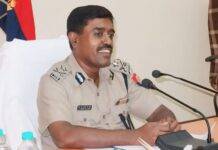
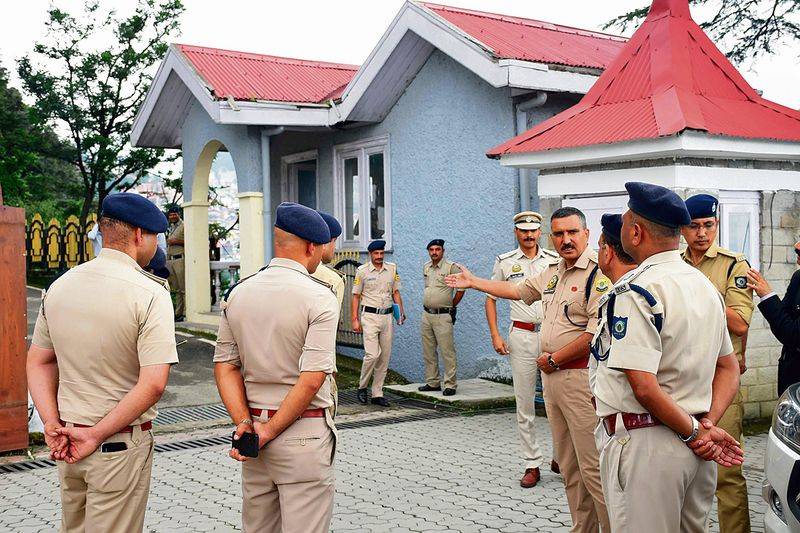
An order issued late Thursday evening from the Himachal Pradesh Police Director General of office stated that Sub-Divisional Police Officers (SDPOs) and Station House Officers (SHOs) have been observed interacting with the media, giving public statements, and commenting on various issues, including crime, investigations, and other matters related to policing on certain occasions. The order clarifies that “only the Superintendent of Police of the district and the Deputy Inspector General of the range are authorized to formally interact with the media on matters related to crime, law and order, investigations, policing policies, and other official issues, and that too with the prior permission of the Police Headquarters wherever necessary.”
The instructions further state that “all other officers, including SDPOs and SHOs, shall not address the media in their official capacity, issue statements or comments to print, electronic, or social media, or give interviews, briefings, or responses on official matters unless specifically authorized in writing by the competent authority.”
The order states that these instructions have been issued under Rule 7 of the Central Civil Services (Conduct) Rules, 1964, which prohibits government employees from giving information to the media or the public without the prior permission of the government. The order also cites Section 29 of the Himachal Pradesh Police Act, 2007, which mandates discipline, obedience to lawful orders, and adherence to prescribed conduct by police officers. It also refers to the Punjab Police Rules, 1934, specifically sub-rules 16.1 and 16.2, which are applicable to Himachal Pradesh and emphasize discipline, subordination, and compliance with lawful orders.
The Controversy:
Meanwhile, media personnel have termed this order as being against the spirit of democracy, transparency, and accountability. They questioned whether it would be possible for a single officer to handle numerous phone calls from media personnel or provide information during an emergency or a major incident.
Not a Ban, but Control:
On the other hand, clarifying the intention behind the order, a senior police officer said that the order was issued as a routine administrative step under the Standard Operating Procedure (SOP) and does not mean a complete ban on DSPs and SHOs interacting with the media. They can do so after informing the SP and other senior officers beforehand.
The officer also stated that under normal circumstances DSPs and SHOs are allowed to speak to the media daily on law and order issues, and the new SOP aims to maintain uniformity and discipline in official communication. The officer stated that such orders are issued periodically to ensure consistency in the police department’s interactions with the media.